

Hebei Runhuabang New Material Technology
Co., Ltd. is a comprehensive enterprise
integrating production, processing and sales
Our company mainly produces and operates
non-metallic minerals such as iron oxide
pigments, tourmaline, far-infrared powder,
iron powder, etc
Our company adheres to the concept of quality
first and integrity management, and sincerely
invites customers at home and abroad to
establish good cooperative relations
18
+
years
Industry experience
30
+
platform
Production equipment
13000
+
㎡
Factory size
50
+
person
staff member
WHAT WE DO
chinese ceramic balls
Originating from Hebei, China, a prominent hub for environmental ceramic production, porous ceramic balls leverage the region’s rich reserves of diatomite and clay. These natural materials possess inherent qualities that make them ideal for water purification processes. Diatomite, a sedimentary rock composed of fossilized remains of diatoms - single-celled algae with silica cell walls - offers exceptional porosity and adsorptive properties. Clay, on the other hand, provides plasticity and bonding capabilities during the manufacturing process. Hebei's geological composition has been a blessing for the ceramic industry. The region's diatomite deposits are known for their high purity and fine particle size, which are crucial for the effectiveness of water purification ceramic balls. The clay deposits in Hebei also come in various types, each with distinct characteristics that can be carefully selected and blended to achieve the desired properties of the final product. Manufacturers in Hebei blend these raw substances with water and eco-friendly pore-forming agents, creating mixtures that are then formed into consistent spherical shapes through rolling molding. This precise shaping ensures each ceramic ball has a uniform size, which is crucial for achieving reliable performance in wastewater filtration systems. The rolling molding process is a carefully calibrated operation. Specialized machinery is used to control the speed, pressure, and rotation to ensure that every ball is formed to exact specifications. Before the molding process, the raw material mixture undergoes thorough mixing. High - tech mixers are employed to ensure an even distribution of all components. This step is vital as any inconsistency in the mixture can lead to variations in the final product's quality, affecting its performance in water purification. After shaping, the ceramic balls undergo a carefully controlled sintering process at moderate temperatures. The sintering temperature is typically set between 800°C and 1200°C, depending on the specific formulation of the ceramic balls. During this stage, the pore - forming agents burn off, leaving behind a network of tiny, interconnected pores within each ball. This intricate pore structure significantly increases the internal surface area of the ceramic balls. A single gram of these porous ceramic balls can have a surface area equivalent to several square meters, enabling them to effectively capture suspended solids, organic compounds, and fine sediments present in municipal wastewater. The sintering process is closely monitored by experienced technicians using advanced temperature - control systems. These systems can detect and adjust the temperature in real - time to ensure a consistent and high - quality sintering process. The duration of sintering also plays a crucial role; too short a time may result in incomplete pore formation, while too long can cause the balls to deform or lose their structural integrity. Unlike plastic filter media that degrade over time, these ceramic balls maintain their structural integrity, resisting deterioration even after prolonged exposure to sewage. The ceramic material's chemical stability makes it highly resistant to corrosion from various chemicals present in wastewater, such as acids, alkalis, and salts. This durability is further enhanced by the specific composition of the ceramic balls, which includes elements that reinforce the material's strength and resistance to wear. In municipal wastewater treatment plants, porous ceramic balls are typically used in the secondary or tertiary filtration stages. Once the initial sedimentation process is complete, wastewater flows through layers of these ceramic balls. The design of the filtration units that house the ceramic balls is carefully engineered. They often consist of multiple layers of ceramic balls with different pore sizes, arranged in a specific sequence to maximize the filtration efficiency. The flow rate of the wastewater through the ceramic ball layers is also a critical factor. It is controlled to ensure that the water has sufficient contact time with the ceramic balls, allowing for effective capture of impurities. Specialized flow - control valves and sensors are installed to regulate the flow and maintain optimal operating conditions. The porous nature of the balls traps any remaining particles in the water, enhancing its clarity and reducing pollutant levels before it is discharged or recycled. Plant operators have noticed that incorporating ceramic balls into the filtration system decreases the need for frequent filter backwashing. The unique pore structure enables the balls to hold more impurities without clogging quickly. This is due to the hierarchical pore structure of the ceramic balls, which consists of a combination of macro - pores, meso - pores, and micro - pores. The macro - pores allow for the initial capture of larger particles, while the smaller meso - and micro - pores are responsible for removing finer contaminants. As a result of this efficient filtration mechanism, treatment facilities experience lower energy consumption. The reduced frequency of backwashing means less energy is required to operate the pumps and other equipment involved in the backwashing process. Additionally, the longer lifespan of the ceramic balls reduces the maintenance requirements, as there is less need for frequent replacement and inspection. Hebei’s manufacturing facilities are committed to environmental sustainability. They employ advanced water recycling systems during production to minimize waste generation. These systems can recycle up to 90% of the water used in the manufacturing process, significantly reducing the demand for fresh water. The recycled water is treated and purified to meet the quality requirements for reuse in various stages of production, such as raw material mixing and equipment cooling. All materials used in the production of ceramic balls adhere to strict international environmental standards. This includes the raw materials, pore - forming agents, and any additives used in the manufacturing process. The facilities are regularly audited by independent environmental agencies to ensure compliance with these standards. To ensure the ceramic balls remain in optimal condition during transportation, they are packaged in moisture - resistant bags that prevent clumping. The packaging materials are also chosen with environmental considerations in mind. Biodegradable or recyclable materials are used wherever possible to minimize the environmental impact of the packaging. Hebei's strategic geographical location provides easy access to major ports, enabling efficient shipping of ceramic balls to municipal treatment plants across Asia, Europe, and Africa. The well - developed transportation infrastructure in the region, including highways, railways, and ports, ensures smooth and timely delivery of products. Logistics companies operating in the area have extensive experience in handling ceramic products, ensuring that the balls are transported safely and arrive at their destinations in perfect condition. Technical teams at Hebei - based suppliers work closely with clients to tailor the size and pore density of the ceramic balls according to the specific characteristics of the wastewater being treated. A detailed analysis of the wastewater is conducted before making any recommendations. This analysis includes determining the types and concentrations of contaminants, such as suspended solids, heavy metals, and organic compounds. For example, treatment plants handling water with high sediment levels may choose larger ceramic balls with wider pores. These larger pores allow for the easy passage of water while still being able to capture the larger sediment particles. On the other hand, treatment plants focused on removing fine organic contaminants might prefer smaller balls with a denser pore structure. The smaller pores and increased surface area of these balls enable more effective adsorption of organic compounds. The customization process also takes into account the flow rate and volume of the wastewater. Treatment plants with high - volume flows may require ceramic balls with a higher flow - through capacity, while those with lower volumes can opt for a more compact and efficient design. The technical teams use advanced simulation software to model the performance of different ceramic ball configurations, providing clients with accurate predictions of the filtration efficiency and operational costs. As cities worldwide strive to improve their wastewater treatment capabilities, porous ceramic balls from Hebei offer a reliable solution for effective and long - lasting filtration. These versatile ceramic balls can also be integrated into various other water purification setups, such as household water filters, swimming pool filtration systems, and aquaculture water treatment. In household water filters, the ceramic balls can remove impurities such as rust, sediment, and some bacteria, providing clean and safe drinking water. Their small size and ease of installation make them suitable for use in a variety of filter designs, from simple countertop filters to more complex under - sink systems. For swimming pool filtration, the ceramic balls can help maintain water clarity by removing dirt, debris, and organic matter. They are resistant to the chemicals used in pool water treatment, such as chlorine, and can withstand the high - flow conditions typically found in pool filtration systems. In aquaculture, the ceramic balls play a crucial role in maintaining water quality for fish and other aquatic organisms. They can remove harmful substances, such as ammonia and nitrite, which are produced by fish waste and uneaten food. This helps create a healthy and stable environment for the aquatic life, reducing the risk of disease and improving the overall productivity of the aquaculture operation. Their resilience and adaptability make them a favored choice for enhancing water quality in diverse environments. The ceramic balls' ability to perform well under different operating conditions, such as varying temperatures, pH levels, and flow rates, makes them a reliable option for a wide range of applications. Moreover, the ease of installation and compatibility with existing filtration infrastructure make porous ceramic balls a practical upgrade for many water treatment facilities. Whether it’s a small community treatment plant or a large - scale municipal operation, these ceramic balls can be seamlessly incorporated to boost filtration efficiency. In small community plants, the simple installation process allows for quick implementation without the need for extensive modifications to the existing system. For large - scale municipal operations, the ceramic balls can be integrated into the existing filtration trains with minimal disruption. The modular design of the ceramic ball filtration units makes it easy to expand or upgrade the system as the treatment capacity requirements change. The durability of the ceramic material means that the balls require less frequent replacement compared to other filter media, further contributing to cost savings and operational convenience. The long lifespan of the ceramic balls, which can range from 5 to 10 years depending on the application, reduces the overall cost of ownership for treatment facilities. This includes not only the cost of purchasing replacement media but also the associated labor and equipment costs for installation and maintenance. In addition to their use in municipal wastewater treatment, porous ceramic balls are finding applications in industrial water purification processes. Industries that rely on large volumes of clean water, such as manufacturing and power generation, are increasingly turning to these ceramic balls to ensure the quality of their water supply. In the manufacturing industry, water is used in various processes, such as cooling, washing, and product formation. Contaminated water from these processes can contain a wide range of pollutants, including heavy metals, oils, and chemicals. Porous ceramic balls can effectively remove these contaminants, allowing for the recycling of water within the manufacturing facility. This not only reduces the demand for fresh water but also minimizes the environmental impact of industrial wastewater discharge. Power generation plants, especially those using steam turbines, require large amounts of high - quality water for cooling and boiler feedwater. The ceramic balls can remove impurities from the water, preventing scale formation and corrosion in the pipes and equipment. This improves the efficiency and lifespan of the power generation equipment, reducing maintenance costs and downtime. By utilizing the natural filtration properties of the ceramic material, these industries can reduce their environmental impact and comply with stringent water quality regulations. Many countries and regions have strict regulations regarding the quality of industrial wastewater discharge and the reuse of water in industrial processes. The use of porous ceramic balls helps industries meet these regulations by effectively treating and purifying their water. The development of porous ceramic balls in Hebei reflects a commitment to innovation in water purification technology. Through continuous research and development, manufacturers are constantly improving the performance and efficiency of these ceramic balls. Research teams are exploring new raw material sources and formulations to further enhance the filtration capabilities of the ceramic balls. For example, the addition of certain metal oxides or activated carbon to the ceramic matrix can improve the adsorption of specific contaminants, such as heavy metals or organic dyes. Advanced manufacturing techniques are also being investigated to improve the production process. This includes the use of 3D printing technology to create ceramic balls with customized pore structures, allowing for even more precise control over the filtration performance. In addition, research is being conducted on the surface modification of ceramic balls. By coating the surface of the ceramic balls with special materials, their ability to remove certain contaminants can be significantly enhanced. These surface - modification techniques can also improve the hydrophilicity or hydrophobicity of the ceramic balls, depending on the specific application requirements. As the demand for clean water continues to grow globally, the role of porous ceramic balls in water purification is set to become even more significant. Their proven effectiveness, combined with their environmental friendliness and durability, make them a key component in the quest for sustainable water management solutions. In the future, as water scarcity becomes an increasingly pressing issue, the use of porous ceramic balls in water purification and recycling will likely expand. They will play a crucial role in ensuring the availability of clean water for various applications, from domestic use to industrial production. Whether it’s purifying wastewater for safe discharge or treating water for industrial reuse, these ceramic balls offer a reliable and efficient option for ensuring water quality around the world. With ongoing research and development, the performance of porous ceramic balls is expected to continue to improve, further enhancing their value in the global water purification market. The collaboration between Hebei's manufacturers, research institutions, and international clients will also drive the innovation and development of these ceramic balls, making them an even more integral part of the global effort to address water quality challenges.
Mining&Production
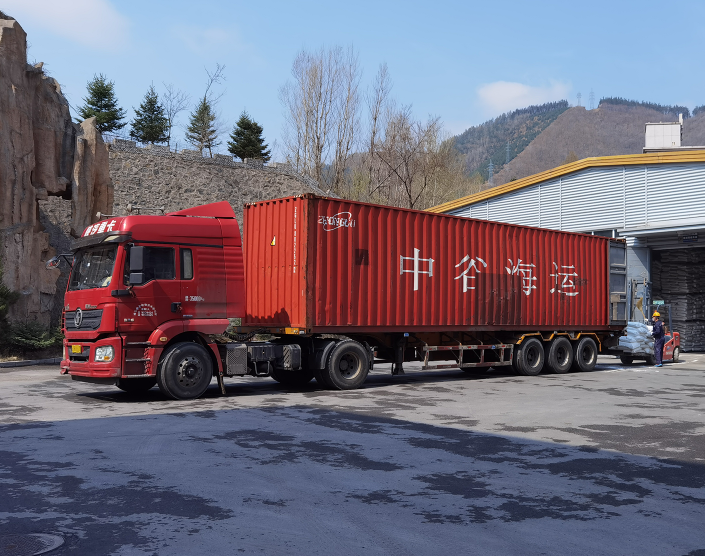
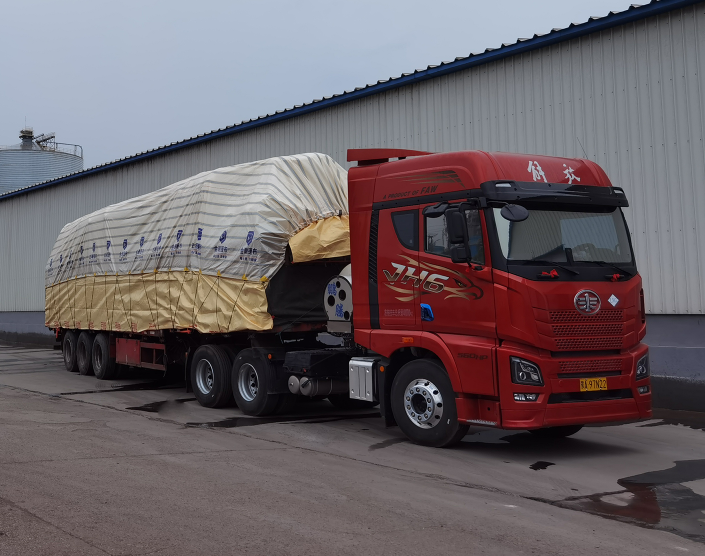
The company has a large scale and outstanding
production capacity, with an annual output of
200,000 tons; With its excellent product quality
and perfect service system, it sells well exported
to Europe, the United States, the Middle East,
Southeast Asia and other more than 100 countries
and regions, well received by the market and customers.
Processing&Sales
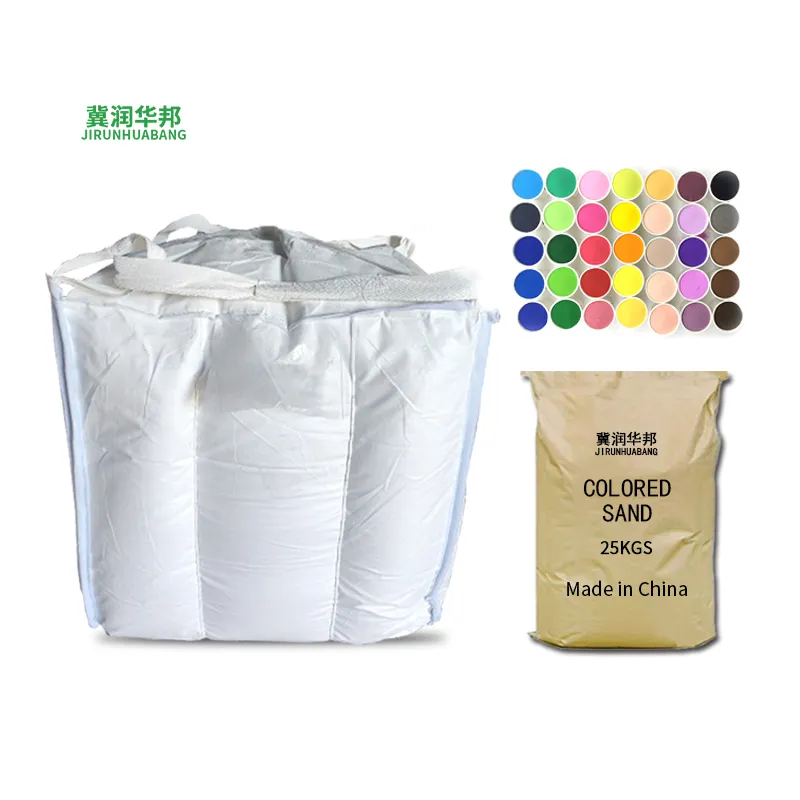
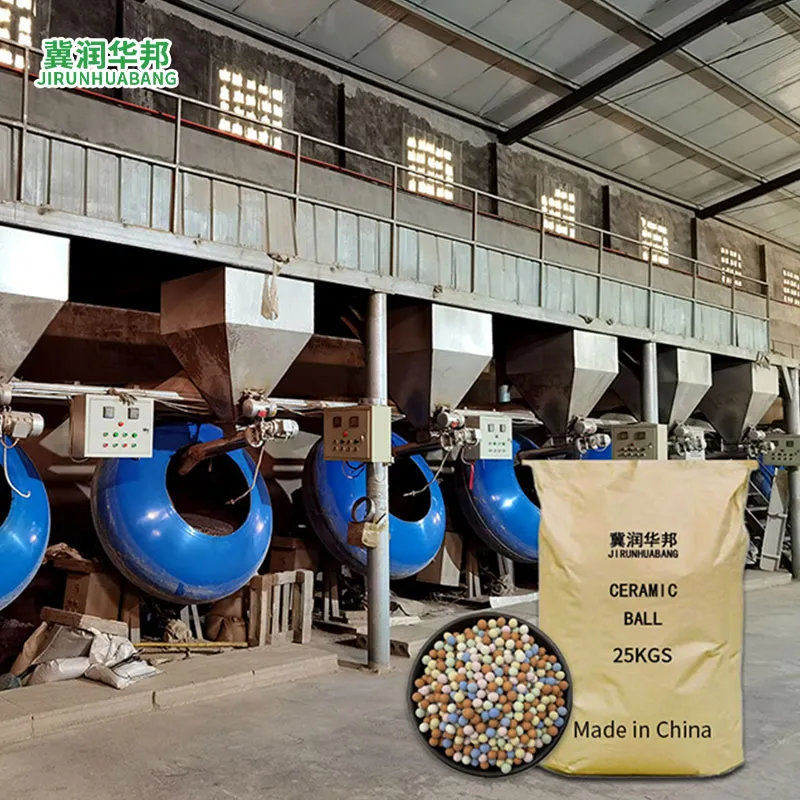
The company takes technology as the forerunner,
continuously carries out technological innovation,
and strictly follows the quality management system
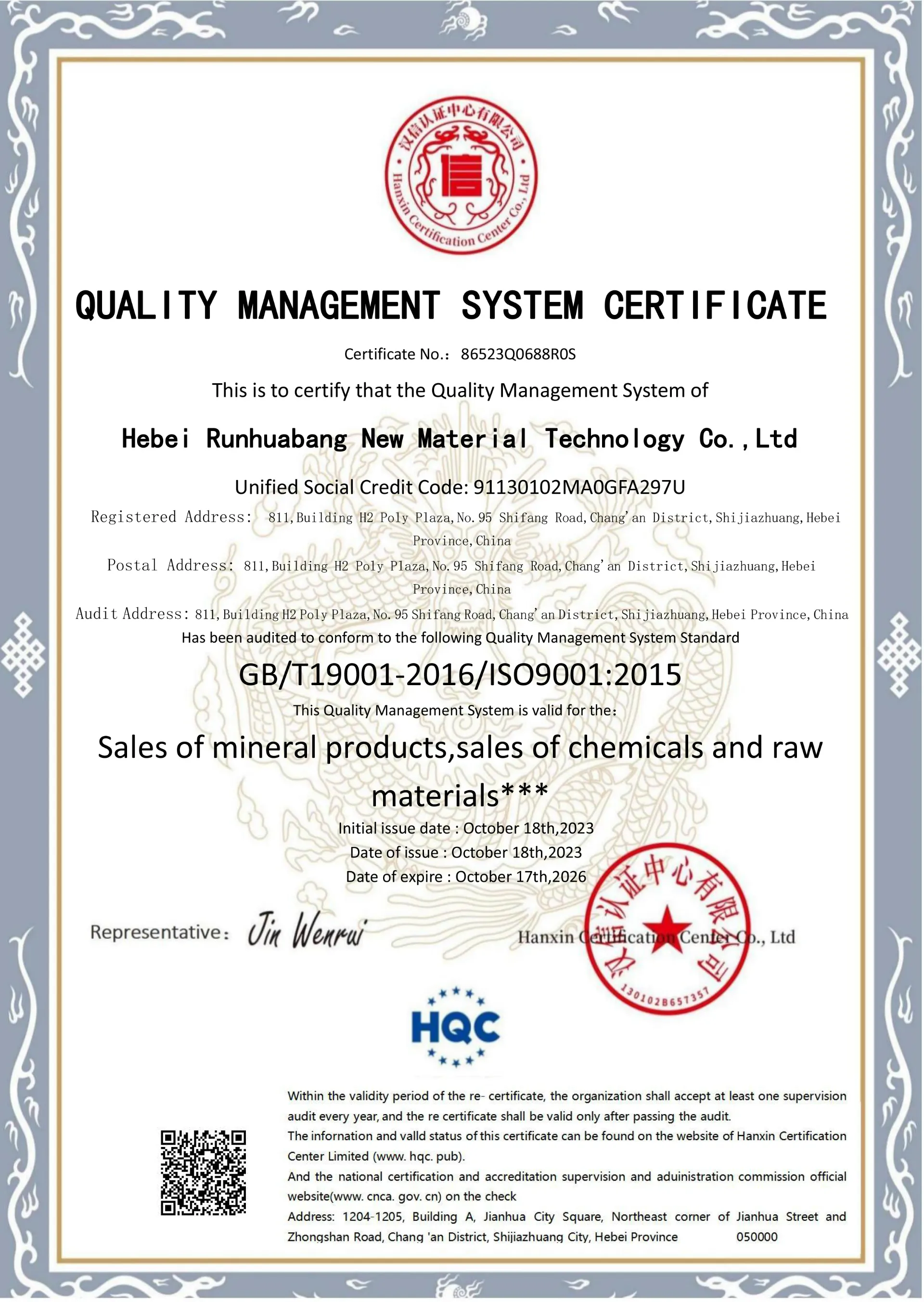
in production.Our products have passed ISO 9001
technical qualification certification and are exported
to more than 70 countries and regions in Southeast
Asia,Western Europe and North America...
Machining
process

Ore mining


Broken
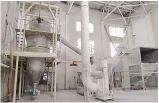


Picking
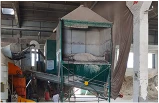


Washing
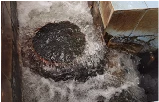


Dry
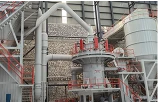


Calcination



Screening
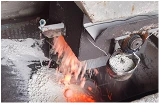


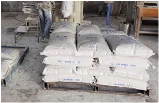
Wrap


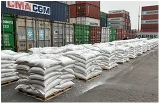
Transtorp


Quality assurance
Set up a perfect quality management system,professional quality inspectors

Team of Professionals
Establish a professional quality inspection team,strictly control the production process to ensure product qualit

Quality service
Professional customer service 24 hours a day fast response,timely answer your questions

Source manufacturer
18 years of mineral product production & export experience
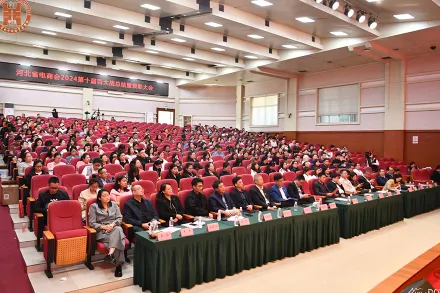
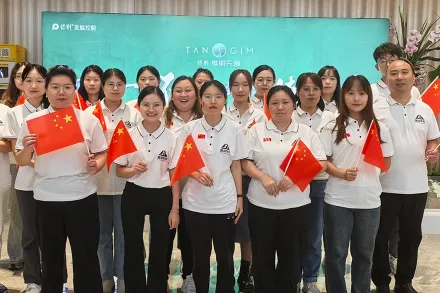
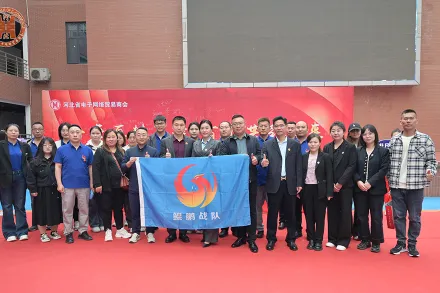
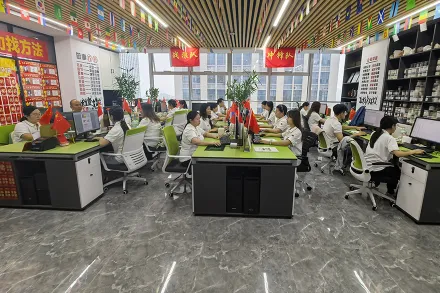
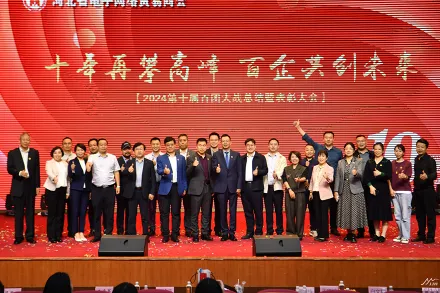
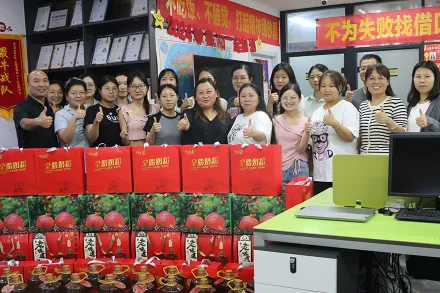
CUSTOMER VISITS AND EXHIBITIONS
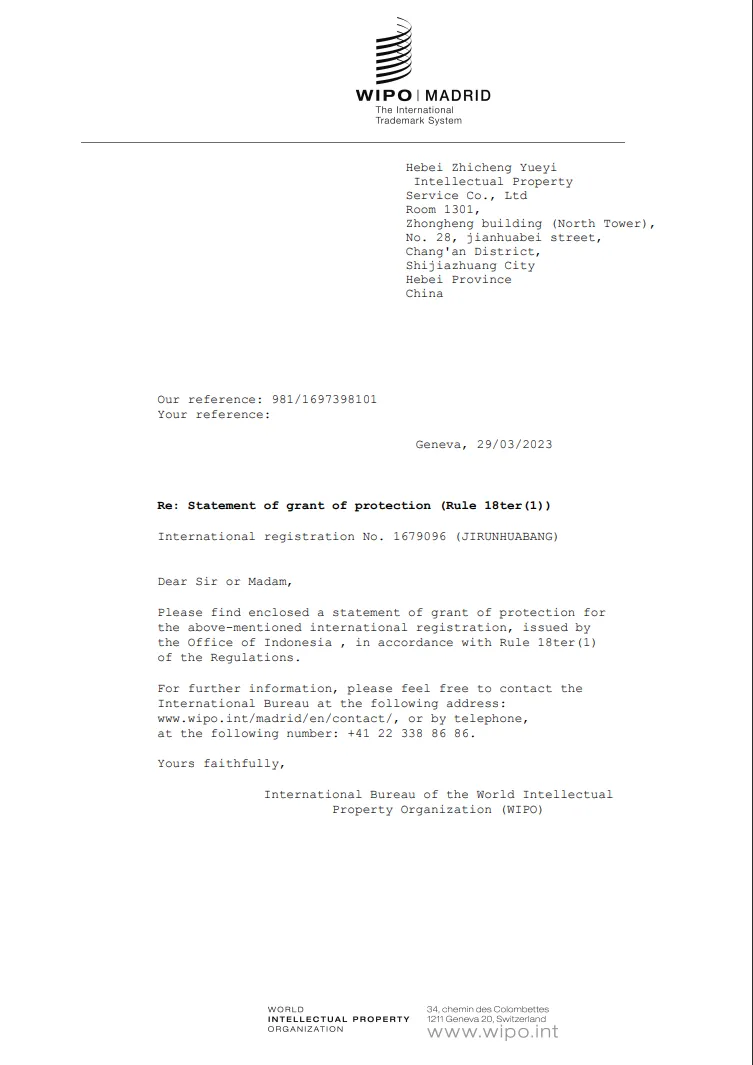
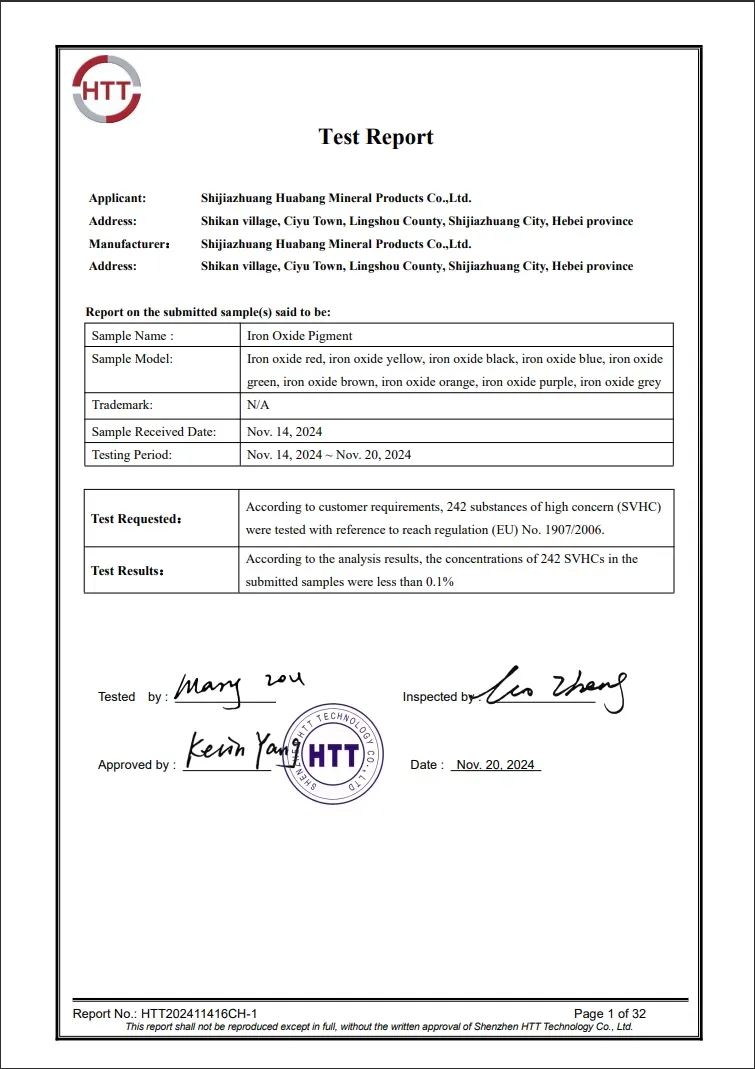
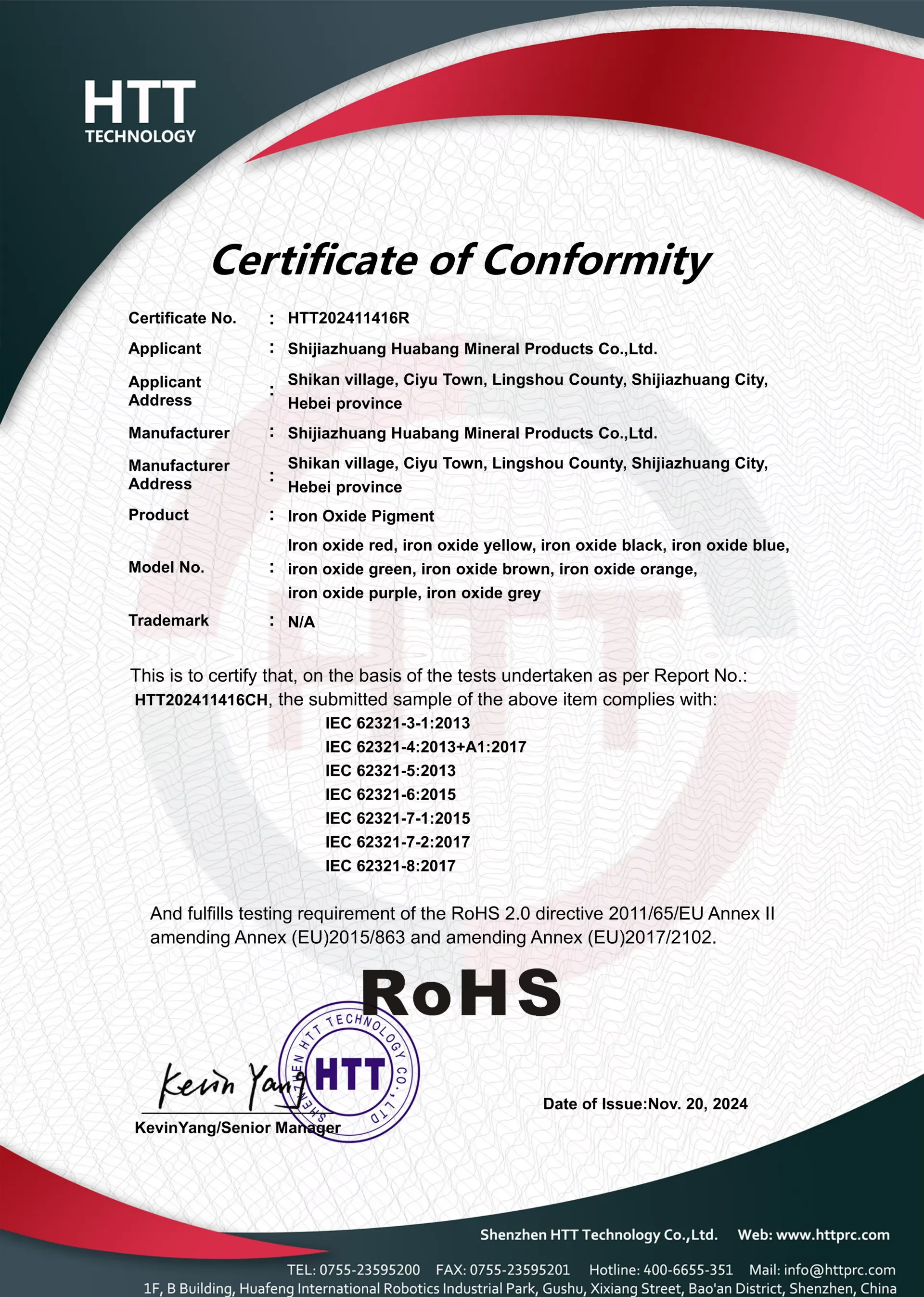
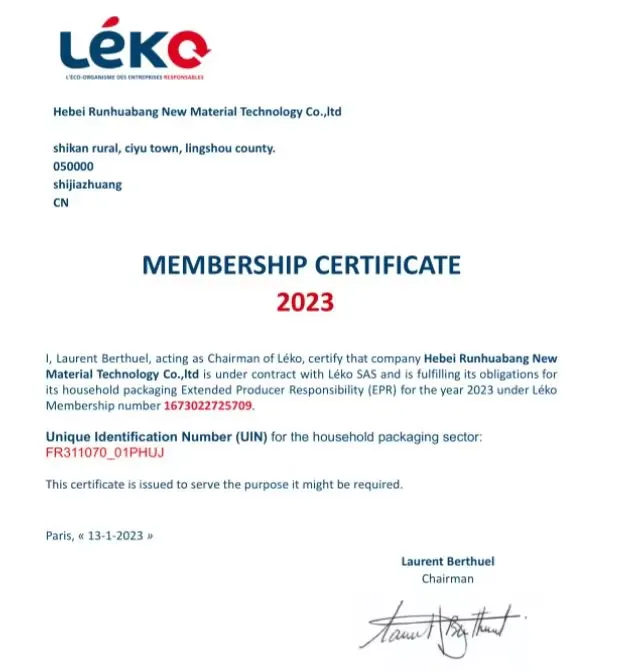
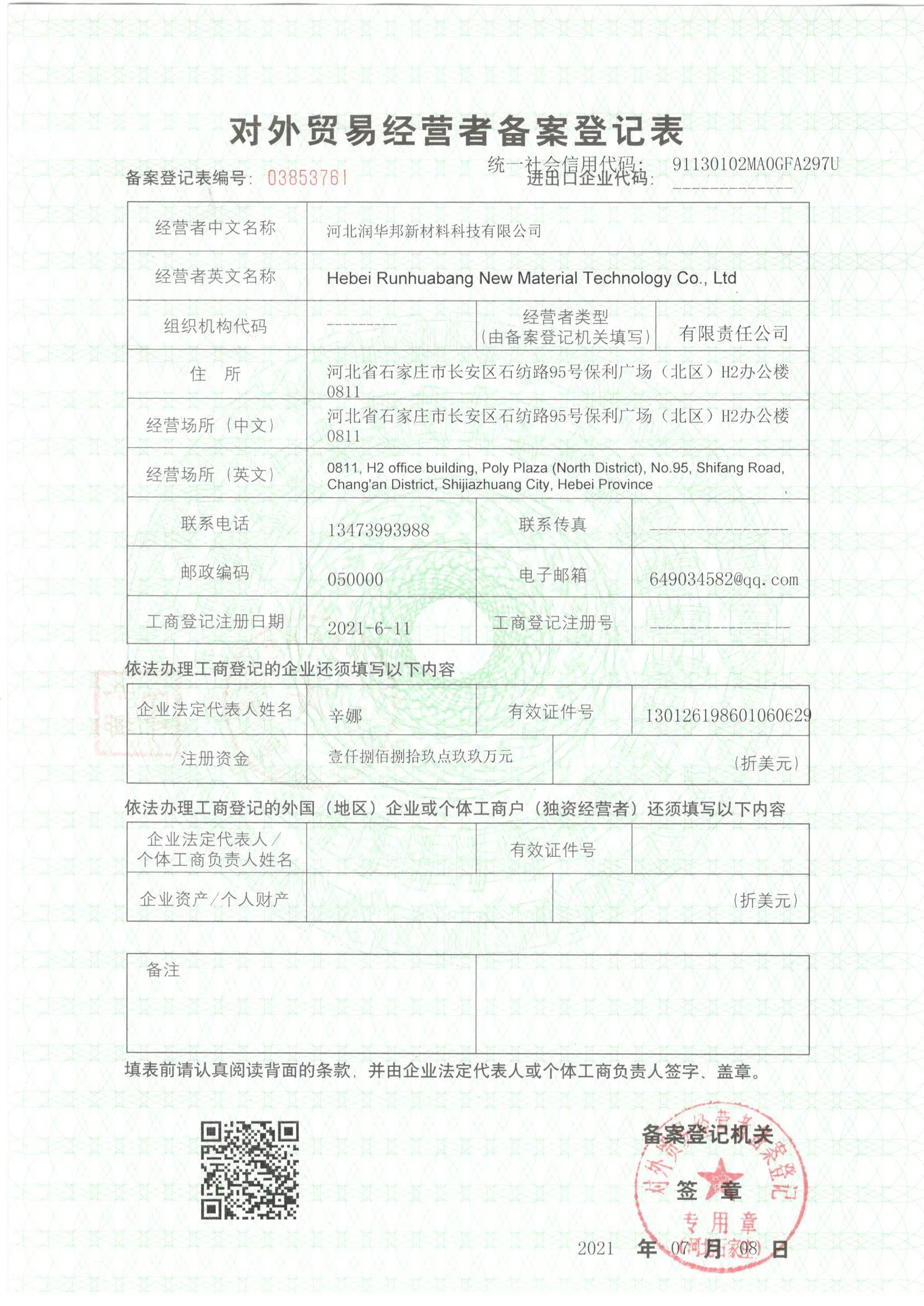
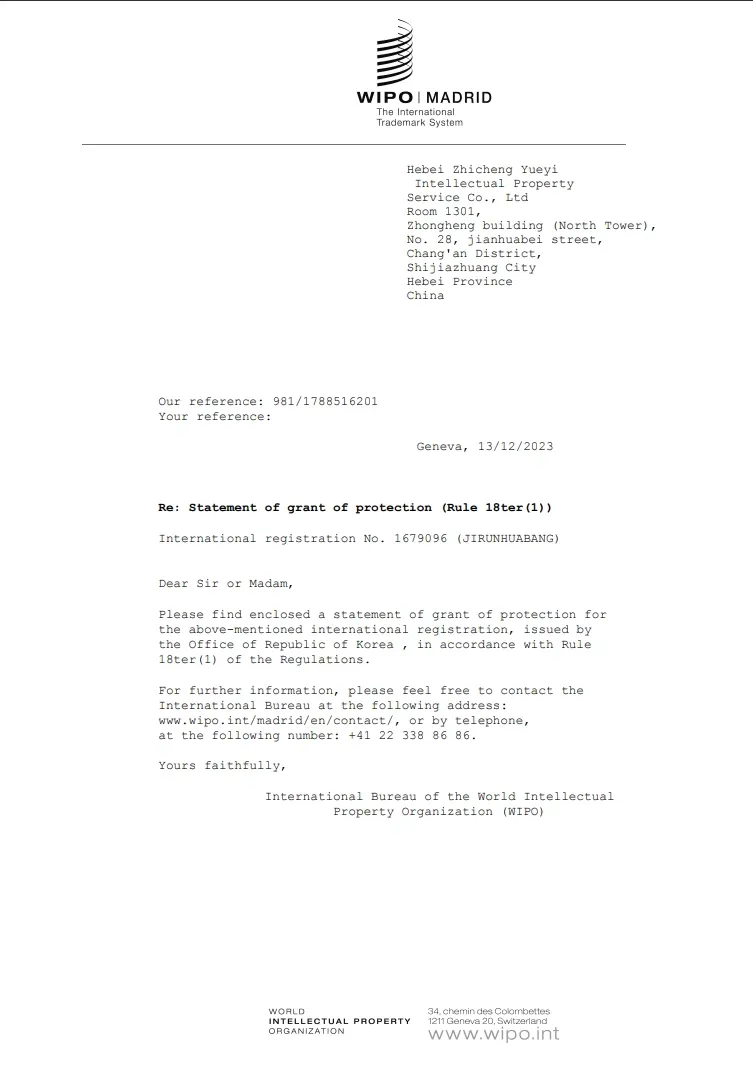
OUR certificate


OUR BLOG

2026-04-06 05:27
Reliable Bentonite Bulk Supplier for Quality Products
Navigating the complex landscape of industrial applications, bentonite exhibits an unparalleled vers
2026-04-06 03:30
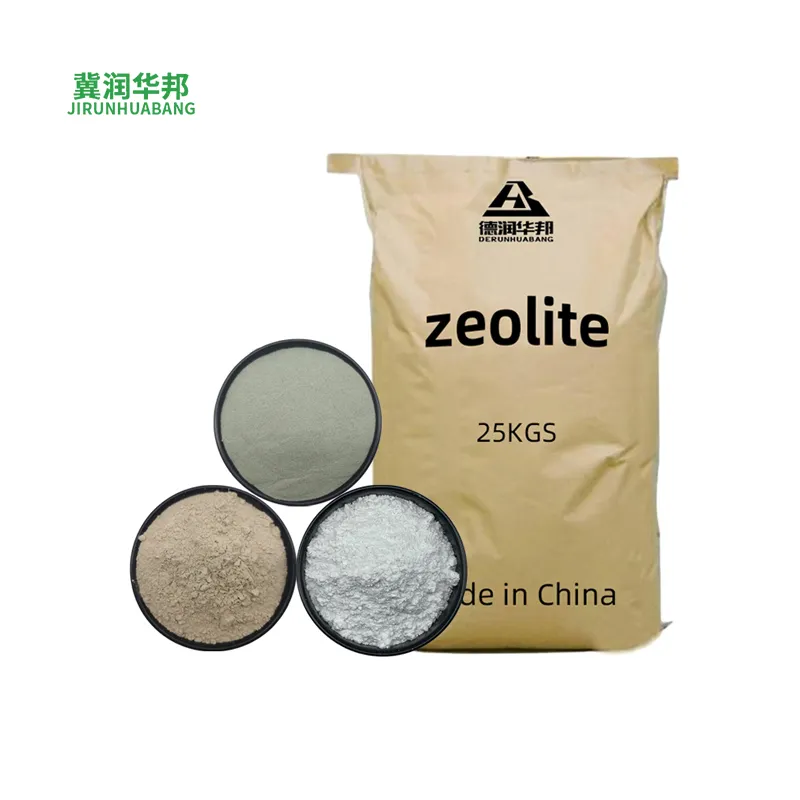
blue tourmaline price per gram
Exploring the World of Blue Tourmaline Pricing An In-depth Analysis Blue tourmaline, also known as i
2026-04-06 03:23
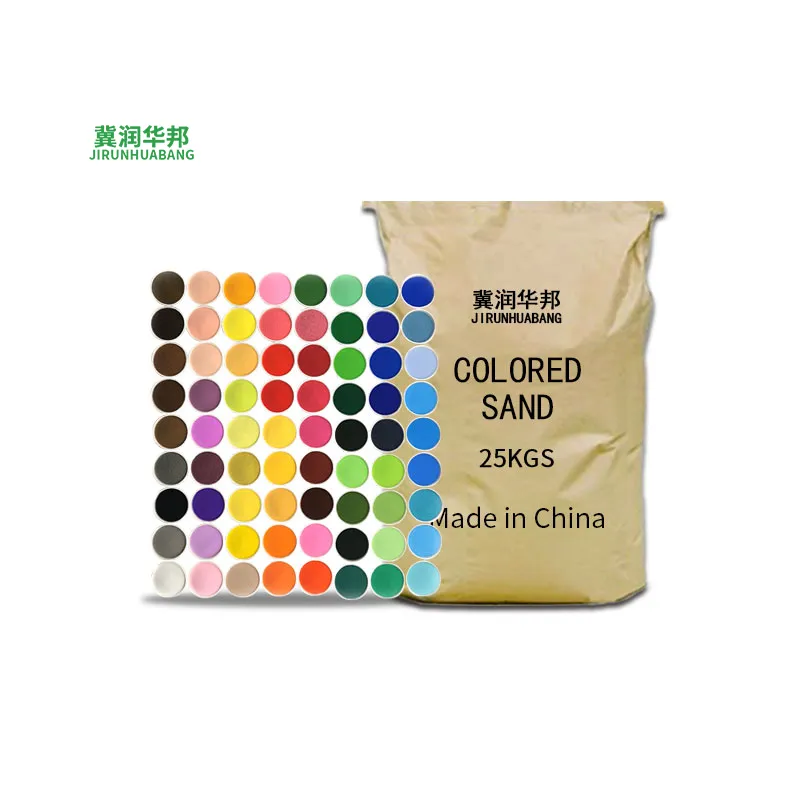
Runhuabang Color Sand_ Water Filtration, Texture & Kids' Sand Pool
Runhuabang Color sand is used for water filtration texture sand and children's entertainment sand po



About Runhuabang
Hebei Runhuabang New Material Technology Co., Ltd. is a comprehensive enterprise integrating production, processing and sales
Get In Touch
0811, Building H2, Poly Plaza (North District), 95 Shifang Road, Chang 'an District, Shijiazhuang, Hebei

Copyright © 2025 Hebei runhuabang New Material Technology Co.,Ltd. All Rights Reserved. Privacy Policy


